About Commercial Roofing West Covina
Roof inspections, repairs, replacement and maintenance for commercial buildings in West Covina and the San Gabriel Valley.
About
CommercialRoofing
On a West Covina retail roof, a curb where parapet flashing meets a drain can turn a small seam opening into a longer water path. Commercial Roofing West Covina inspects those details, explains what they mean for the building, and lays out a repair or replacement scope that the owner can review. West Covina’s Interstate 10 corridor contains retail, office, entertainment, and auto-oriented commercial uses. Irwindale's business area includes business-park and last-mile distribution activity. Those settings create different roof access and operating questions, but neither decides the condition of a particular property. We walk the roof and record what is visible before recommending work.
Inspection: The roof walk comes first
A field inspection follows water paths and assembly transitions rather than treating a stain as a repair location. We examine membrane seams, penetrations, drainage sumps, edge metal, and parapet transitions, then photograph the condition by roof zone. A water report sends the inspector to map the roof area above and beside the affected room, then check likely transitions instead of treating the stain as the entry point. A commercial roof inspection can include a drone view or infrared moisture survey where conditions support it. If a test opening is useful, the report states where it would occur, how the area below is protected, and what the opening can confirm.
Assembly: Systems and repair choices
A repair should match the installed system and the detail that failed. TPO and PVC seams, EPDM laps, modified bitumen surfacing, built-up plies, metal panels, and coating assemblies require different preparation and compatible materials. We identify the visible system where possible, then state whether the work is a localized patch, flashing rebuild, drainage correction, coating restoration, or a larger replacement scope. A TPO roof may need a seam repair; coating restoration depends on adhesion and substrate condition. If the existing field is dry and secure, a recover review can be compared with tear-off.
Sequence: Operations shape the work sequence
Commercial roofs sit above work that cannot always pause. A property manager may need tenant notices and access keys; a manufacturer may need an equipment window; a retail property may need clear customer paths. We confirm roof access, lift placement, staging, shutdown approvals, and any protected space below before a crew mobilizes. For active water entry, a technician can respond after hours, while permanent work is scheduled through the property’s approval process. A maintenance plan can track recurring details before they become larger disruptions. The written scope separates confirmed work from concealed conditions and names the person who can authorize any expanded repair.
Records: A field record with a next step
The inspection record should let a facilities or asset team see what changed and what should happen next. We mark roof zones, describe the observed assembly, attach detail photographs, and separate immediate repair from monitoring or capital planning. If an area was not opened, the report says what remains unverified. A condition report gives a future reviewer a baseline for the same drain, seam, curb, or roof edge. For a multi-property owner, property management roof records help coordinate access and notices without merging distinct building histories. Each property keeps its own measurements and recommendations.
Local context: Work in the local commercial mix
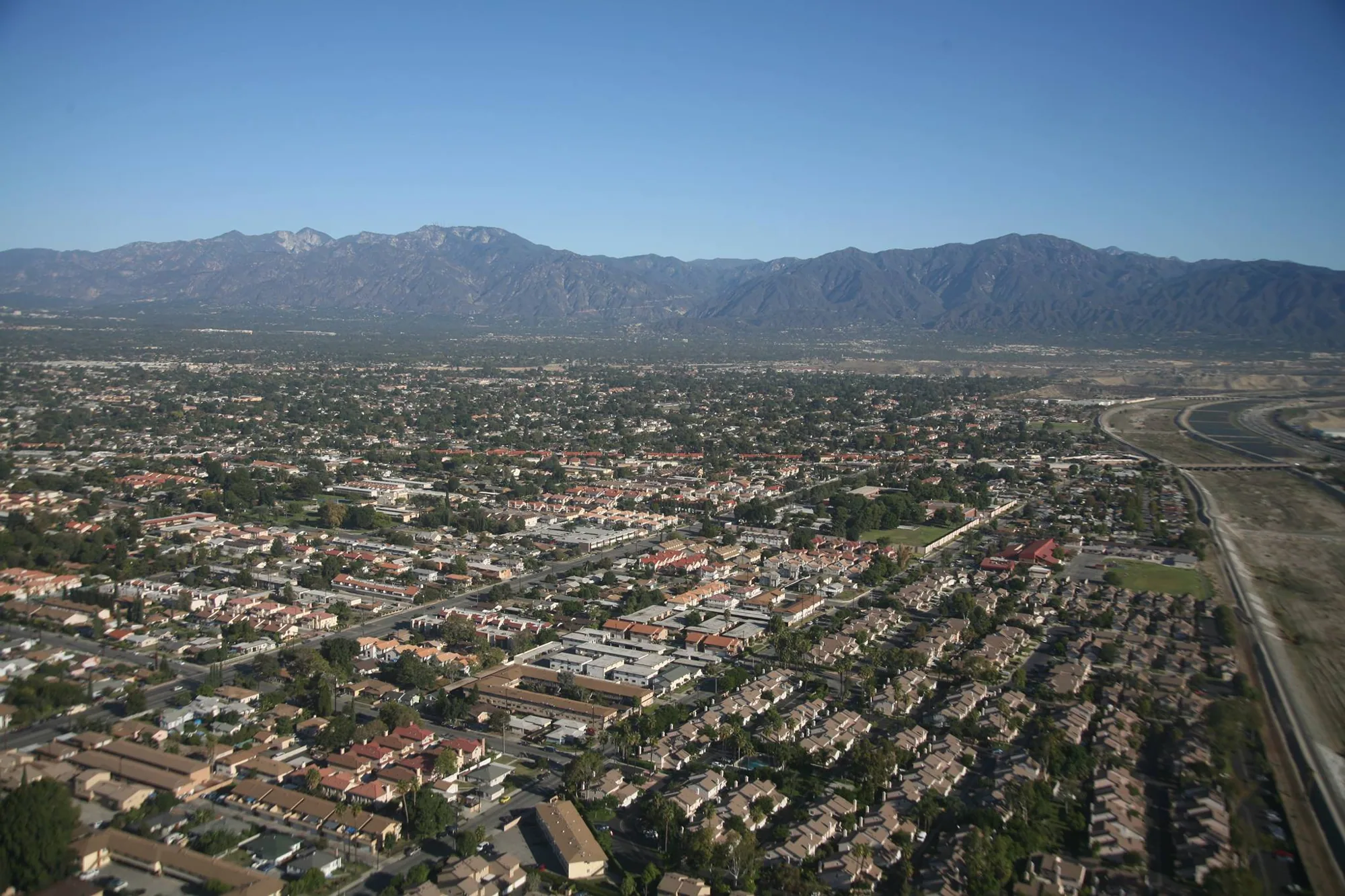
West Covina recorded more than $2.5 billion in retail sales in 2022. That citywide measure provides context, while each roof walk establishes the actual use, access route, assembly, and repair boundary. West Covina service-area planning begins with those property details. A City of Industry distribution or manufacturing roof needs its own dock, staging, and roof-access review; the city identifies manufacturing, wholesale and distribution, transportation/logistics, and e-commerce among its employment sectors. The two maps remain separate even when one owner coordinates both properties.
Next step: A practical handoff
Before the visit, share the roof access route, a recent leak location, any prior repair note, and the person who can approve a test opening. Those details help the field walk answer a real question rather than produce a generic checklist. After inspection, we can price defined repairs, identify the conditions that may change after an opening, and discuss whether maintenance, recovery, or replacement best fits the assembly. For an occupied property, the sequence can be split into roof zones and tied off at the end of each work period. Call to set a site visit, and identify who can authorize roof access and approve work above occupied space.
Before an estimate is prepared, we separate access and protection from the roof repair itself. A lift, interior ceiling protection, equipment shutdown, or tenant notice can affect the schedule and labor even when the membrane repair is limited. We identify which parts are confirmed during the walk and which depend on an opening. If a larger area is proposed, the scope shows why the boundary reaches beyond the visible defect. That lets an owner compare a focused repair with a broader option without mixing assumptions into the measured work.
Material choice also depends on what the existing roof can accept. A new layer adds height at drains and edges, while a tear-off exposes the deck and can reveal conditions that were not visible from above. Moisture readings, attachment, insulation, curb elevation, and the detail at a roof-to-wall transition each affect the comparison. We explain those drivers in plain field terms, then price the option that fits the assembly. If a test opening is needed to answer a structural or moisture question, its location and restoration are identified before it proceeds.
Our handoff is meant to help the next person who owns the decision. The Diligence Notes state what was inspected, what changed during repair, and what remains for a future visit. If a property manager later coordinates a tenant report or an asset team reviews capital needs, the photographs and zone labels give them a place to start. It is a clear account of the roof work performed and of the evidence that supports the next recommendation.
When a project team has several stakeholders, we can review the findings in the order they need to act: immediate water control, repair authorization, follow-up testing, then capital planning. A short list of decisions is more useful than a long list of roof terms. We explain which areas can stay in service, where access needs to be restricted, and what information would change the recommendation. That keeps the next meeting tied to the building instead of to assumptions about a system.
Commercial Roofing Questions
What should I have ready before a commercial roof walk?
A roof plan, recent leak notes, access rules, and the contact who can approve an opening are useful. If those records are incomplete, we can still document visible conditions and identify what needs confirmation.
Can one inspection cover several buildings?
A single visit can include multiple properties, but each roof needs its own zone map, system observations, quantities, and recommendations. Shared reporting fields make comparison easier without treating separate assemblies as identical.
When is a roof recover worth comparing with replacement?
The existing roof needs to be dry, secure, and compatible with the proposed assembly. We check moisture, attachment, drainage elevations, curb heights, and edge conditions before pricing a recover beside tear-off.
How do you handle a leak while a building is occupied?
We trace the water path, set a repair boundary, and identify protection or access needed below. Permanent work can then be scheduled around approved room access, tenant notices, or equipment coordination.
What does the closeout record include?
The project file can include marked roof zones, photographs, materials used, and any unresolved condition. If concealed layers were not opened, the report keeps that limitation visible for the next maintenance or capital review.
Ready to review your roof? Request a roof assessment